Should Cam Models Use Landscape or Portrait?
TLDR
I love seeing models hit the six-month mark with real momentum and a dedicated room in the works. But before you spend a single pound on neon lights or a new rig, answer one quiet question: which way does your camera point? Landscape or portrait isn't an aesthetic choice - it's a platform and device decision that should shape everything else you buy.
Which orientation do the big cam sites actually use, and does it change your earnings?
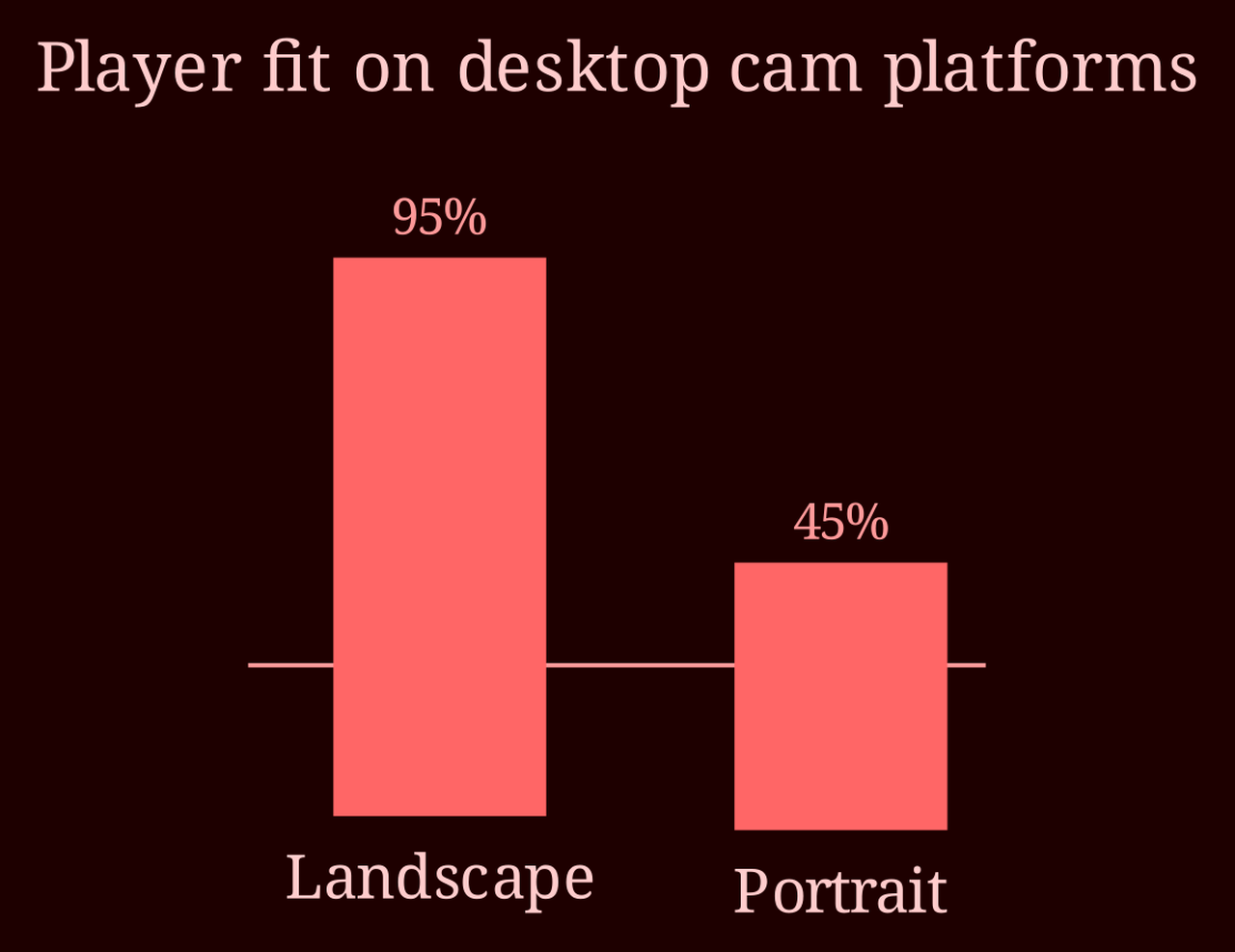
Most desktop-based cam platforms render their streams in landscape-shaped players. That's the world most viewers live in: they're sitting at a desk or with a laptop, the chat box sits beside or below a horizontal video window, and a portrait stream either gets letterboxed awkwardly or shrunk down tiny. Camera orientation doesn't magically boost what you earn - there's no solid evidence that one orientation outperforms the other in raw numbers. What it does change isLegibility. A landscape stream that fills its player properly looks better, frames better, and keeps viewers from squinting. A mismatched orientation looks amateur, and anything that makes a viewer pause or adjust is a chance for them to leave. So the first filter isn't taste, it's this: check your primary platform's player shape and match it. Earnings follow fit, not orientation.
How does framing change between a wide landscape setup and a tight portrait shot?
This is where the two orientations genuinely diverge. A landscape frame is wide: you can show full body, plus the room around you - the décor, the lighting, the props. If your streaming space is part of your appeal (neon glow, moody gothic corner, a setup that makes people ask "where IS that?"), landscape puts it on display. Portrait is the opposite: it crops the world down to a tall, centred column, pushing everything into close-ups of face, torso, and immediately-adjacent space. That reads as more intimate and more mobile - it's the natural shape for phone-based streaming, and it works well on vertical-first platforms. But know what you're trading: portrait hides your room, hides anything happening at the edges, and locks you into tighter movement. Physically, landscape wants a webcam or camera on a tripod with space to step back; portrait wants a phone on a solid mount, with charging solved (battery drain on a long stream is real) and lighting placed for a tall, narrow subject. Neither is "more professional" - they're just different frames for different kinds of shows.
Designing a room you're in for the long run - or just testing the waters first?
If you're building a dedicated streaming space this year, decide your orientation deliberately, not by accident. The practical checklist: your primary platform's player shape, your device (webcam leans landscape, phone leans portrait), and your show style (wide storytelling vs. close intimacy). Then think hybrid: run landscape on your cam site, and take a phone to record short vertical cropped clips from the same setup for social promo. One rig, two outputs - that's the cheap way to cover both bases before you buy anything expensive. And before spending on new tech at all, run the low-cost test: stream one week each orientation way, watch how viewers behave in chat, in privates, in tips, and let that data pick your setup. That's the mindset of someone playing the long game - you don't gamble a room redesign on a guess. And once your setup is dialled in, if you want more places to go live, xlovecam is a solid live-cam option worth checking out. What would your ideal frame show the room first - you, or the world you've built around you?